Purity, sterility and endotoxins: three separate questions
Chemical purity does not establish sterility or an endotoxin result. A guide to keeping these measurements separate when reviewing research materials.
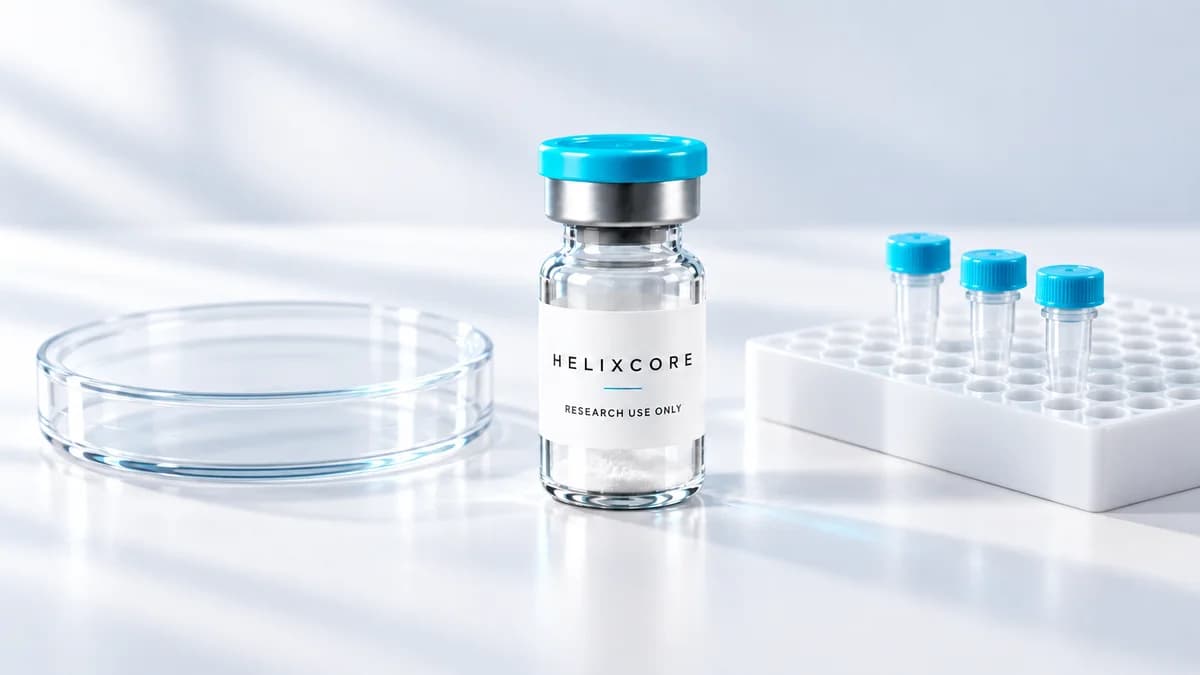
The word “tested” is incomplete without the name of the test. A result can be meaningful and still leave other properties unmeasured. This is particularly important when reading purity, sterility and endotoxin information.
Chemical purity
A chromatographic purity result concerns the components detected by that analytical method. It does not measure whether microorganisms are present. Nor does a high percentage establish that a sample meets an endotoxin specification.
Peptide manufacturers offer additional analyses because the standard analytical package may not answer every experimental question. GenScript lists endotoxin testing separately from HPLC and mass spectrometry.
Sterility
A sterility test looks for viable microorganisms under the conditions of the test. It answers a different question from chemical analysis. A certificate listing only HPLC purity and molecular mass should not be read as a sterility certificate.
A result also needs context: the sample tested, method, date and conclusion. The appearance of a sealed vial is not a replacement for that evidence. FDA guidance treats sterility and pyrogen-related testing as distinct considerations in its discussion of sterile product controls. That guidance concerns regulated medicines; it does not confer a medical status on research reagents.
Endotoxins
Endotoxins are associated with Gram-negative bacteria. They can remain after the bacteria are no longer viable, which is one reason a sterility result and an endotoxin result are not interchangeable. The FDA's technical explanation of bacterial endotoxins describes this distinction.
An endotoxin result needs a method, units and an appropriate interpretation. “Not detected” is meaningful only in relation to the method's detection capability; it should not be rewritten as an unlimited claim of absence.
A useful way to record the evidence
Keep three separate fields in a material review: chemical analysis, sterility information, and endotoxin information. For each, record the document and actual result, or write “not reported” if it is absent. This prevents an attractive headline number from becoming a substitute for the full record.
Consult the specific supplied certificate for HelixCore material. These measurements do not make a research reagent suitable for human or veterinary administration. HelixCore supplies materials for in-vitro laboratory research; experimental suitability must be assessed against the requirements of that work.